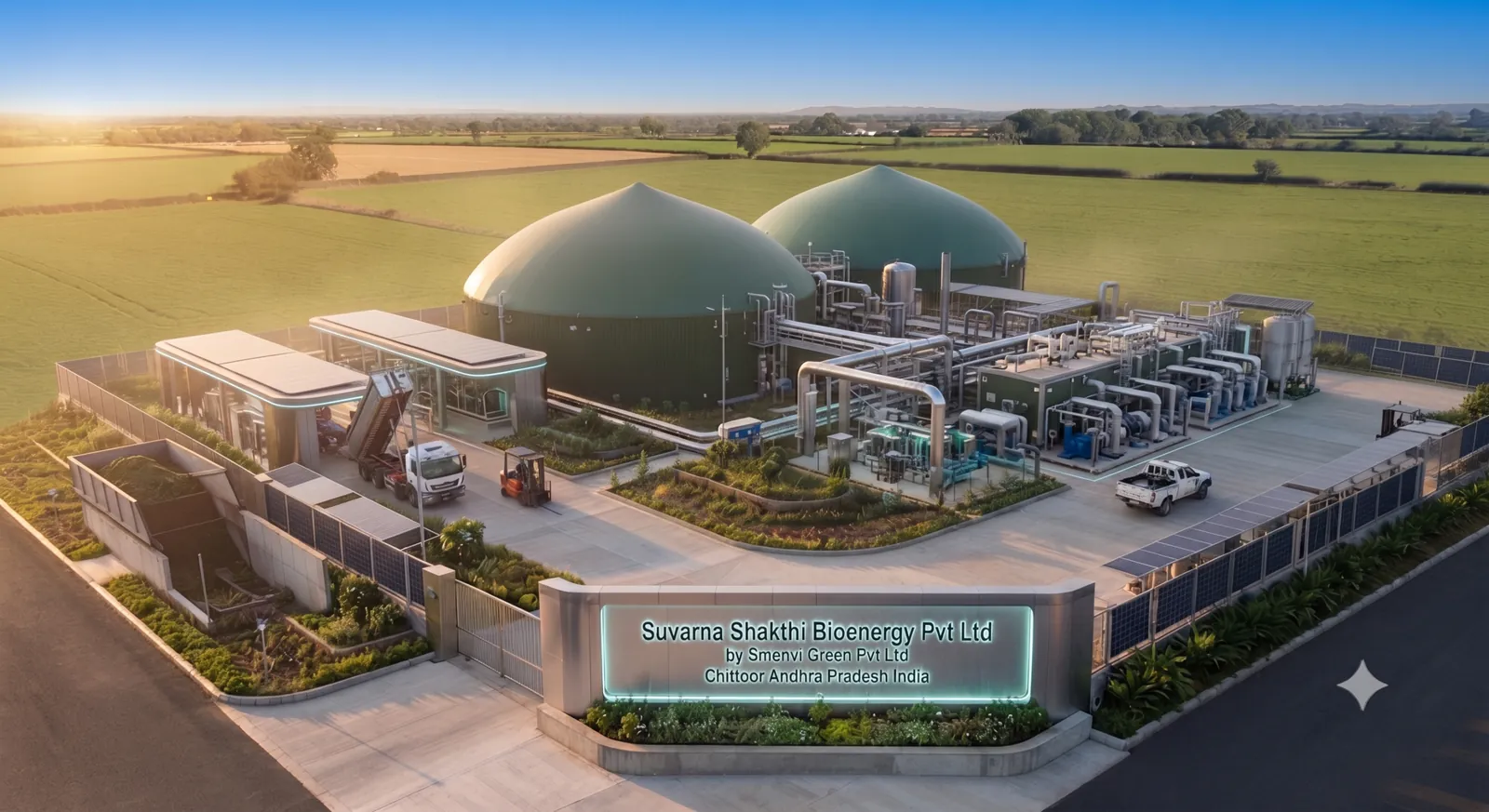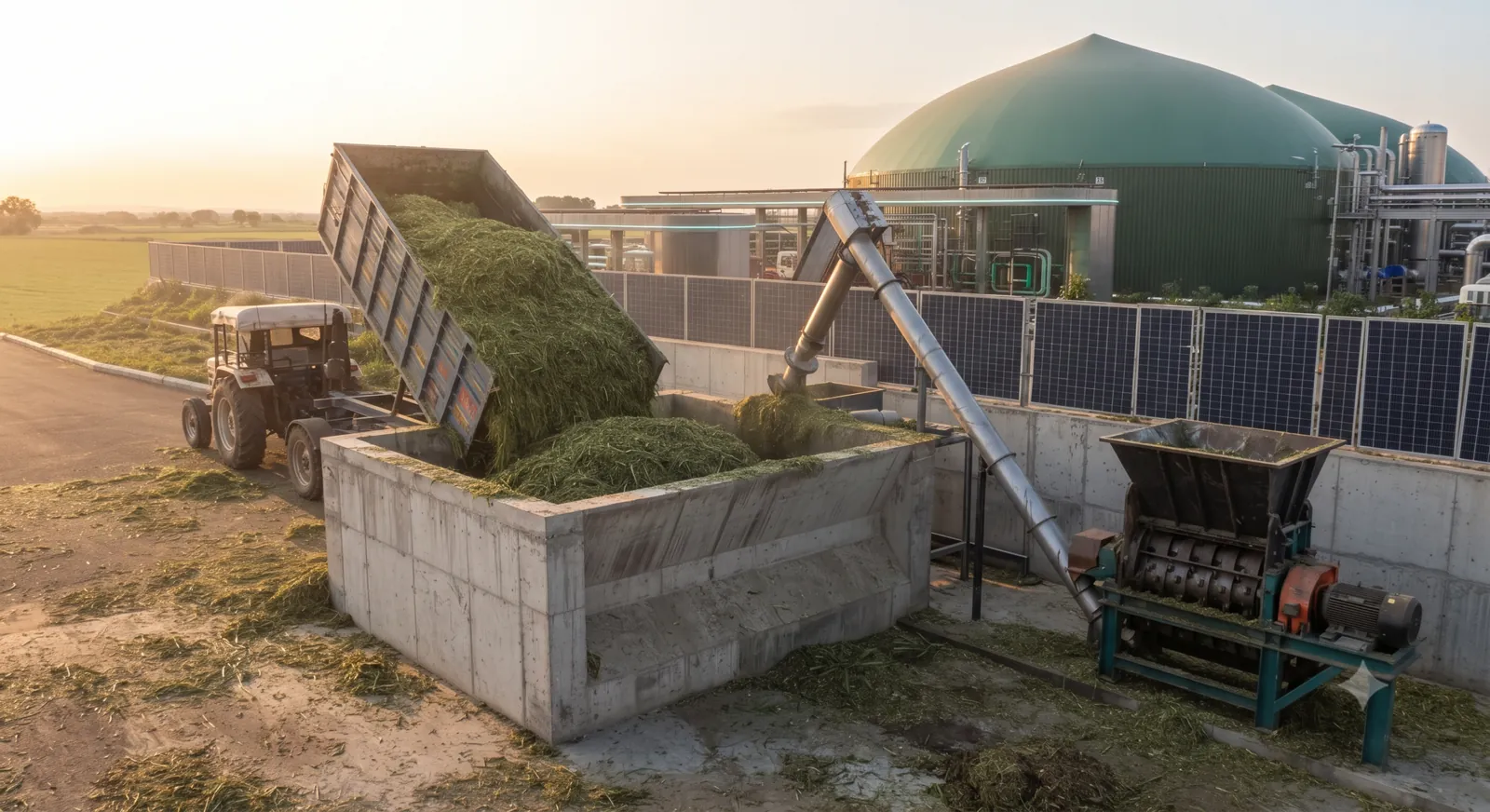

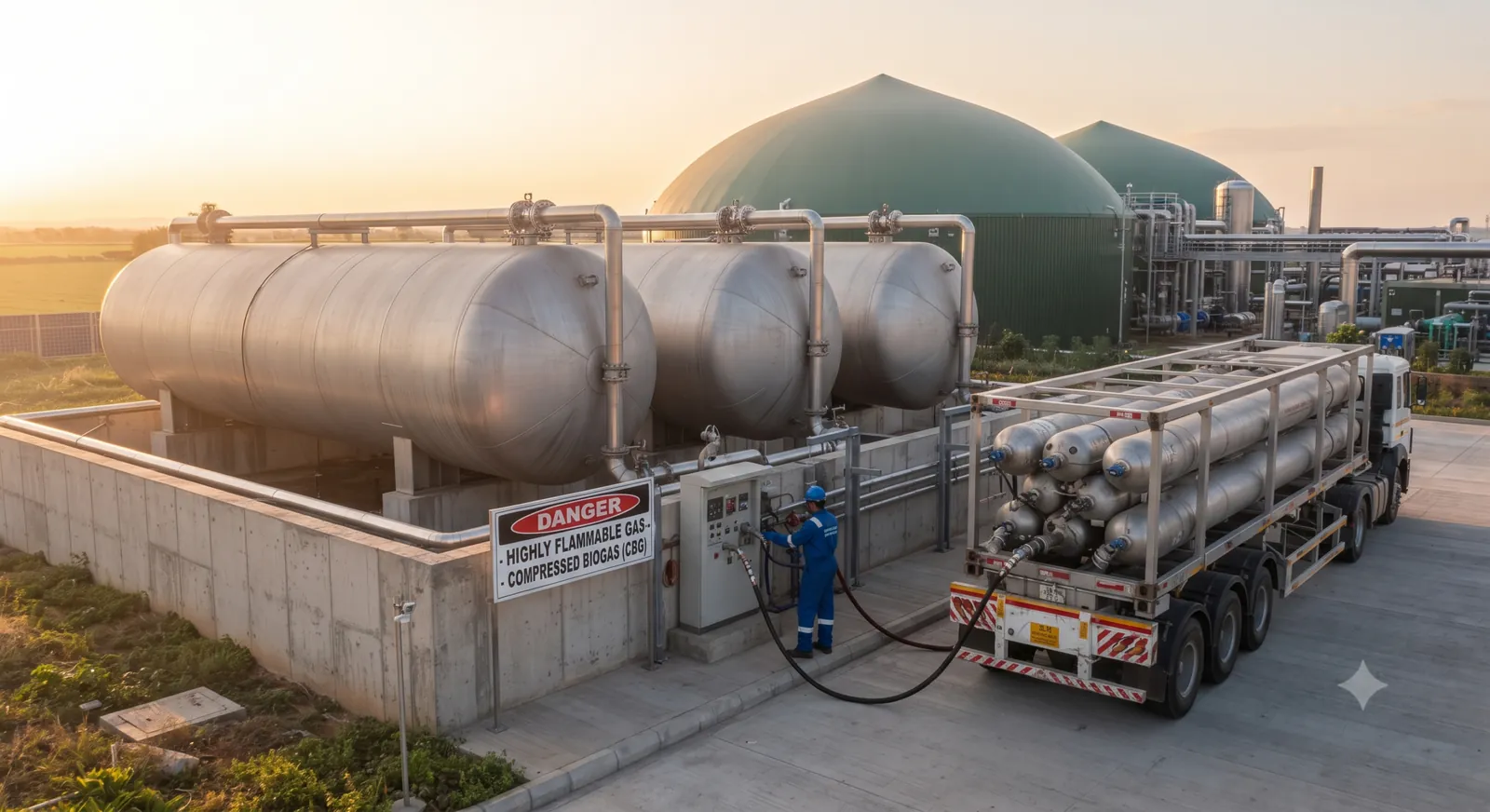
If you want to understand why Compressed Biogas is suddenly at the centre of India’s energy conversation, you need to understand SATAT. Launched in October 2018 by the Ministry of Petroleum & Natural Gas, SATAT – Sustainable Alternative Towards Affordable Transportation – is the framework that turned CBG from an experiment into a national mission.
What is the SATAT Scheme?
SATAT is an initiative under which Oil & Gas Marketing Companies (OMCs) such as IndianOil, BPCL and HPCL invite entrepreneurs to set up CBG plants and sign Letters of Intent (LOIs) to purchase the gas they produce. The announced vision is a network of up to 5,000 CBG plants across India.
The core insight behind SATAT is simple: the biggest barrier to building a biogas industry was never technology or feedstock – it was market certainty. By guaranteeing a buyer, SATAT made CBG projects bankable.
How SATAT Works
- OMCs periodically invite Expressions of Interest from potential CBG producers.
- Qualified applicants receive a Letter of Intent – a commitment that the OMC will purchase CBG from the proposed plant.
- The producer builds the plant, and the CBG is sold through OMC retail outlets or supplied into the gas ecosystem.
- Pricing has been notified and revised by the government over time to keep projects viable.
What Has SATAT Achieved So Far?
Thousands of LOIs have been issued since 2018, and commissioned CBG plants are now selling gas across multiple states. Progress was slower in the early years – land, financing and feedstock logistics take time – but the ecosystem has matured substantially: lenders now understand the sector, technology suppliers have Indian track records, and the government has added supporting schemes around SATAT rather than letting it stand alone.
The Bigger Policy Stack Around SATAT
SATAT no longer works in isolation. It is reinforced by:
- CBG Blending Obligation (CBO): announced in November 2023, requiring city gas companies to blend CBG into CNG and PNG – voluntary at first, mandatory from FY 2025-26, and rising to around 5% by FY 2028-29.
- GOBARdhan: the unified registration portal and umbrella for all biogas and CBG projects.
- MNRE Waste-to-Energy Programme: capital subsidy for eligible plants.
- Market Development Assistance for FOM: support for selling the fermented organic manure that CBG plants co-produce.
We maintain a detailed overview of these programmes on our Government Schemes & Incentives page.
Why LOIs Matter So Much
An LOI is the commercial anchor of a CBG project. It tells lenders and investors that the single biggest risk – “who will buy the gas?” – is addressed before construction starts. This is why Suvarna Shakthi Bioenergy considers its Letter of Intent from Think Gas, a city gas distribution company, the foundation stone of our upcoming project: offtake first, then build.
Frequently Asked Questions
Who can apply under SATAT?
Entrepreneurs, companies, cooperatives and joint ventures that can develop a CBG plant. Applications are made in response to OMC Expression of Interest windows.
Does SATAT provide funding?
SATAT itself provides offtake (a buyer), not capital. Funding support comes from separate schemes such as MNRE capital subsidy and priority sector lending, plus regular project finance.
What is the difference between a SATAT LOI and a CGD offtake agreement?
A SATAT LOI is issued by an oil marketing company; a CGD offtake connects the producer to a city gas distribution network. Both provide market certainty – some projects use one, some combine routes.
Is the CBG price fixed?
CBG pricing under SATAT has been notified and periodically revised by the government; commercial supply arrangements outside SATAT are negotiated between the parties.
The Takeaway
SATAT created the demand backbone for Indian CBG, and the blending mandate is now hard-wiring that demand into law. For regions with abundant agricultural residue, the opportunity is structural, policy-backed and growing every year.
Suvarna Shakthi Bioenergy is developing an upcoming CBG project in India, backed by a Letter of Intent from Think Gas. Explore the proposed plant, read the investment case, or get in touch.