
Compressed Biogas, or CBG, is one of the most important fuels in India’s clean energy transition – yet it is far less understood than solar panels or electric vehicles. This guide explains what CBG is, how it is made, why the Government of India is backing it so strongly, and what it means for farmers, industry and investors.
What is Compressed Biogas?
CBG is a purified, compressed form of biogas. Raw biogas is produced when organic material – crop residue, cattle dung, food waste, press mud – breaks down in the absence of oxygen inside a sealed digester. Raw biogas is typically 55-65% methane; the rest is mostly carbon dioxide with traces of other gases. When that raw biogas is upgraded to more than 90% methane, compressed to high pressure and dried, it becomes CBG.
Chemically, CBG is equivalent to Compressed Natural Gas (CNG). It can run the same vehicles, flow through the same city gas pipelines and fire the same industrial burners – with one crucial difference: it is renewable, made from waste that India produces in enormous quantities every single day.
How is CBG Made? The Process Step by Step
1. Feedstock collection
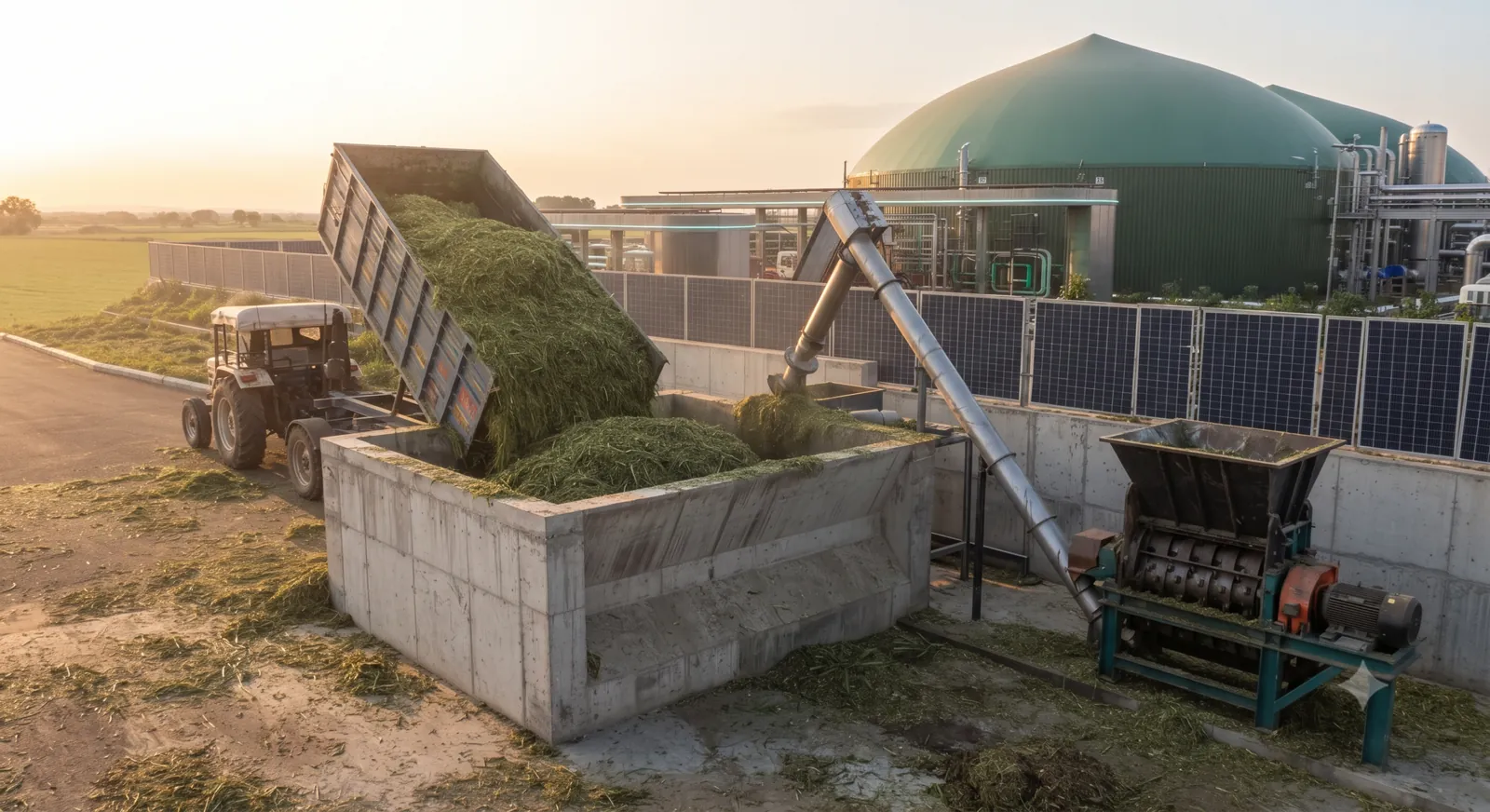
Agricultural residue (like paddy straw and maize stover), cattle dung, poultry litter, food and market waste, or industrial organic waste such as press mud from sugar mills is collected and transported to the plant.
2. Pre-treatment
The feedstock is shredded, mixed and prepared so that microorganisms can digest it efficiently.
3. Anaerobic digestion
Inside sealed digester tanks, bacteria break the organic matter down over several weeks, releasing raw biogas. This is the heart of the plant.
4. Gas upgrading
The raw biogas is cleaned of carbon dioxide, hydrogen sulphide and moisture – typically using water scrubbing, pressure swing adsorption or membrane technology – until methane content exceeds 90%.
5. Compression and dispatch
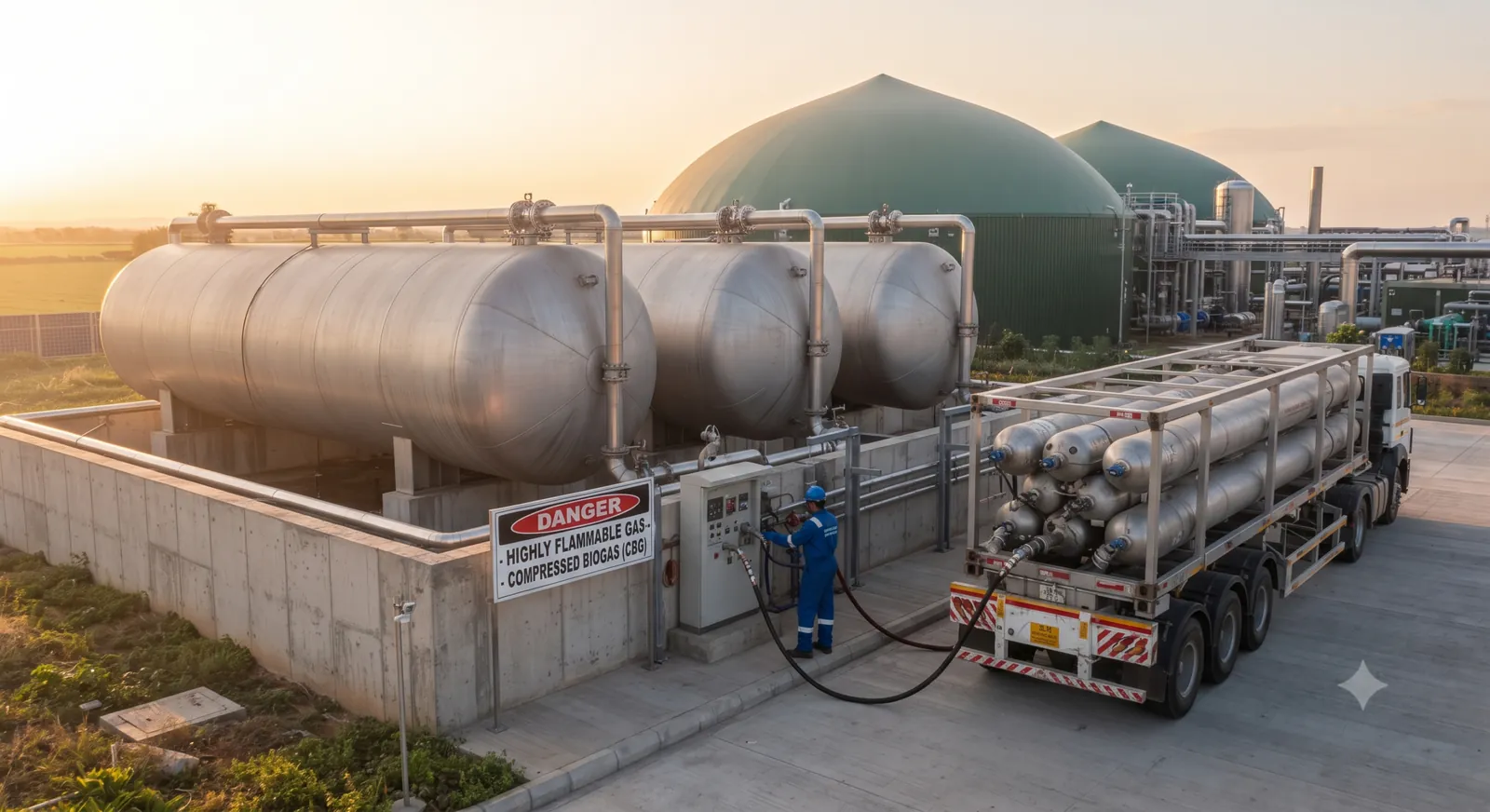
The upgraded gas is compressed (around 250 bar) and filled into storage cascades for dispatch, or supplied to a nearby gas grid or fuel station.
6. By-product: organic manure
What remains after digestion – the digestate – is processed into Fermented Organic Manure (FOM), a nutrient-rich soil amendment that goes back to farms. Nothing is wasted; this is the circular economy in action.
Why India is Betting on CBG
- Energy security: India imports a large share of its natural gas. Every unit of CBG produced domestically replaces imported fuel.
- Waste management: India generates hundreds of millions of tonnes of agricultural residue and organic waste each year, much of it burned or left to rot – both of which pollute.
- Air quality: Crop residue burning is a major contributor to North India’s winter smog. CBG plants give that residue economic value instead.
- Rural income: Farmers earn from selling residue and buy back affordable organic manure.
- Climate: CBG avoids methane emissions from decomposing waste and displaces fossil fuel – a double climate win.
The policy support is substantial: the SATAT initiative provides assured offtake through oil marketing companies, a phased CBG blending obligation makes CBG demand mandatory in city gas from FY 2025-26, and capital subsidies are available under MNRE programmes. We cover all of these on our Government Schemes page.
CBG vs CNG vs LPG: What is the Difference?
CNG is fossil natural gas compressed for use as fuel; CBG is the renewable equivalent made from waste. LPG (cooking gas) is a different fuel altogether – a petroleum product of propane and butane. A vehicle or burner designed for CNG can use CBG without modification, which is exactly why CBG can scale quickly using India’s existing gas infrastructure.
Frequently Asked Questions
Is CBG the same as biogas?
Biogas is the raw gas from a digester (55-65% methane). CBG is that gas purified to over 90% methane and compressed – a vehicle-grade, pipeline-grade fuel.
What can CBG be used for?
Transport fuel for cars, buses and trucks; piped gas for homes; and industrial heating – anywhere CNG is used today.
What feedstock does a CBG plant use?
Common feedstocks include paddy straw and other crop residues, cattle dung, food and vegetable market waste, poultry litter, and press mud from sugar mills.
Does a CBG plant smell or pollute?
A well-designed plant operates in sealed vessels; the digestion process happens in closed tanks and the gas is captured, not released. CBG plants reduce net pollution by preventing open burning and uncontrolled decomposition.
Who buys the gas?
Under SATAT, oil marketing companies issue Letters of Intent to purchase CBG. Producers can also supply city gas distribution companies – as Suvarna Shakthi Bioenergy plans to do through its LOI with Think Gas.
The Road Ahead
With mandatory blending percentages rising through the decade and thousands of plants planned nationwide, CBG is moving from pilot phase to industry. For India it promises cleaner air, energy security and rural jobs – and for early, well-executed projects, a durable business.
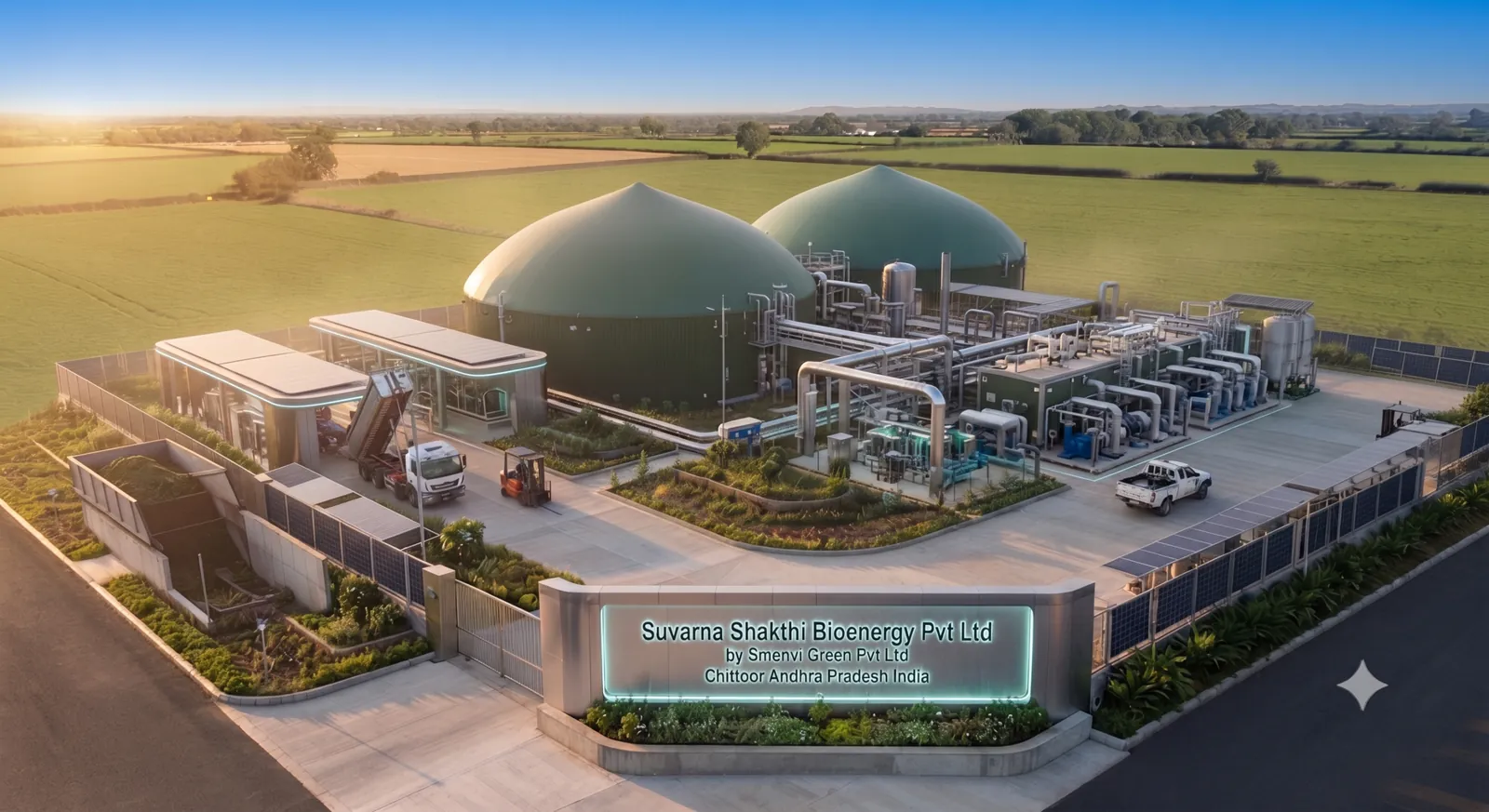
Suvarna Shakthi Bioenergy is developing an upcoming CBG project in India, backed by a Letter of Intent from Think Gas. Explore the proposed plant, read the investment case, or get in touch.