
Every year after harvest, large parts of India face the same crisis: fields set alight to clear crop residue, smoke drifting across states, air quality collapsing into hazardous territory. Stubble burning is not done out of malice – it is done because farmers have had no economically sensible alternative. Compressed Biogas plants change that equation.
Why Farmers Burn Crop Residue
After mechanised harvesting, short stalks and straw remain in the field. The window before the next sowing is short, labour is expensive, and residue has traditionally had little market value. Burning is fast and free – the costs (air pollution, soil damage, health impact) are paid by everyone else, and by the farmer’s own soil over time.
- Burning destroys soil organic carbon and beneficial microbes in the topsoil.
- It wastes nutrients that could be returned to the land.
- It contributes heavily to seasonal smog episodes in North India, with serious public health consequences.
The CBG Alternative: Residue as Raw Material
A CBG plant is, at its core, a machine that converts organic residue into two products: renewable gas and organic manure. That means a CBG plant in a farming region does something radical – it puts a price on straw.
What changes for the farmer
- New income: residue is sold to the plant (directly or through aggregators) instead of being burned.
- Cheaper, better soil inputs: the plant returns Fermented Organic Manure (FOM), restoring organic carbon that burning destroys.
- Local employment: collection, baling, transport and plant operations create year-round rural jobs.
What changes for the region
- Less open burning means measurably cleaner air during the critical post-harvest months.
- Methane that would escape from rotting residue is captured as useful fuel instead.
- A rural industrial asset anchors economic activity where the feedstock is.
How the Numbers Work
India produces several hundred million tonnes of agricultural residue annually, a large share of which is surplus – not needed for fodder or other uses. Even converting a fraction of this surplus through CBG plants represents thousands of potential facilities. This is why national policy – from SATAT offtake to the CBG blending mandate – is built around scaling this industry rapidly. The feedstock exists; the demand is now mandated; what the sector needs is well-executed plants connecting the two.
What a Modern CBG Plant Looks Like
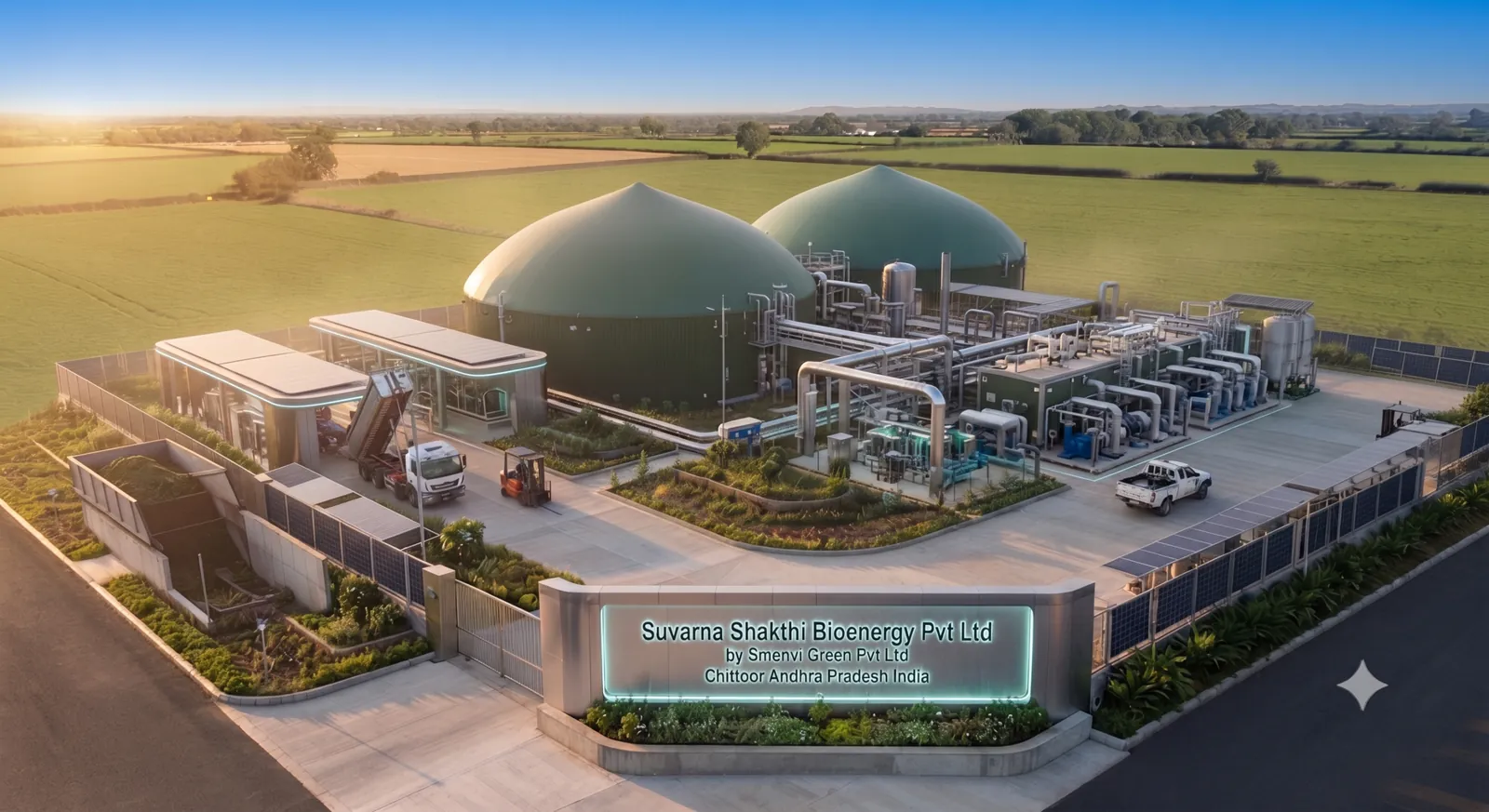
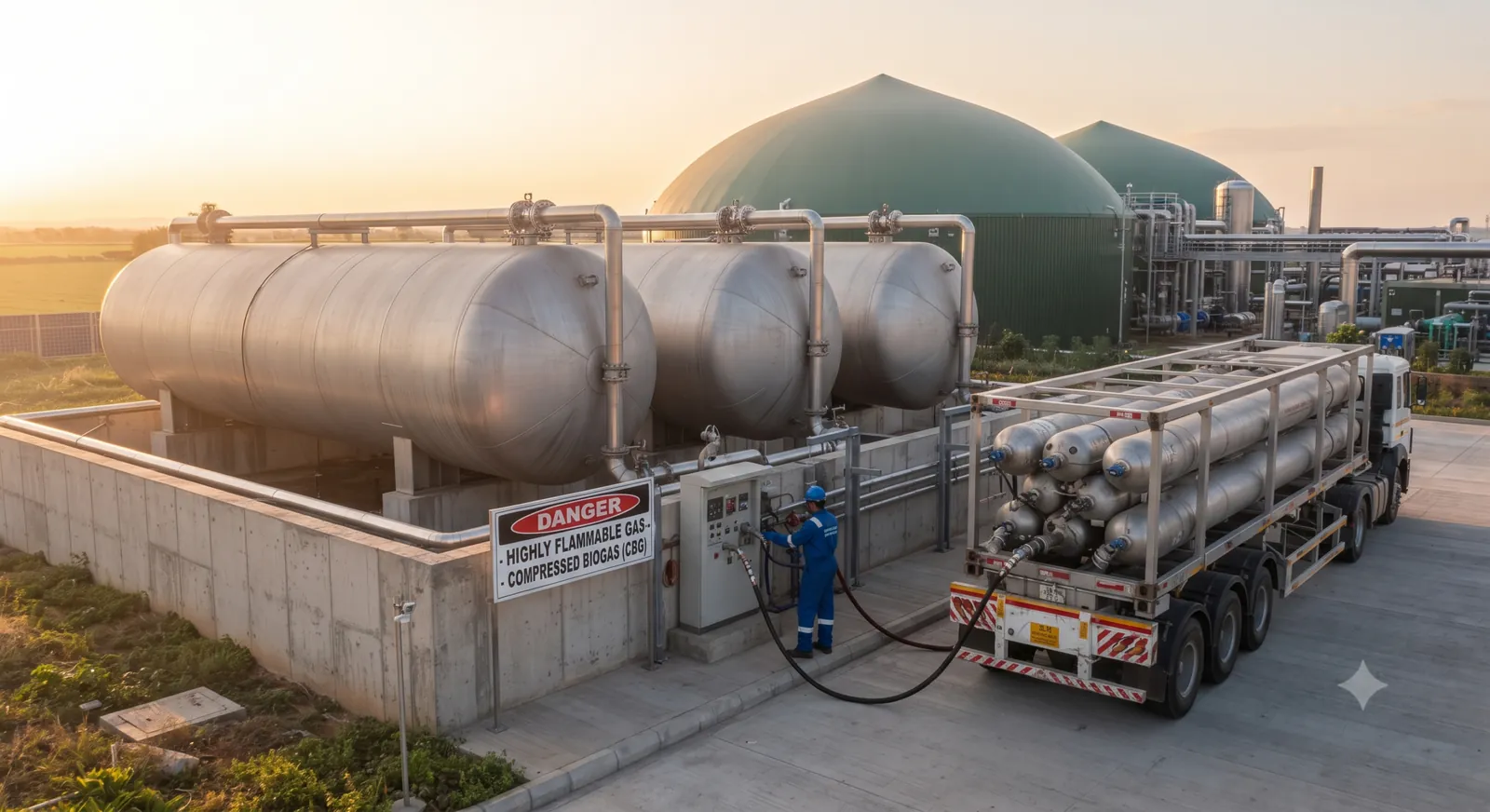
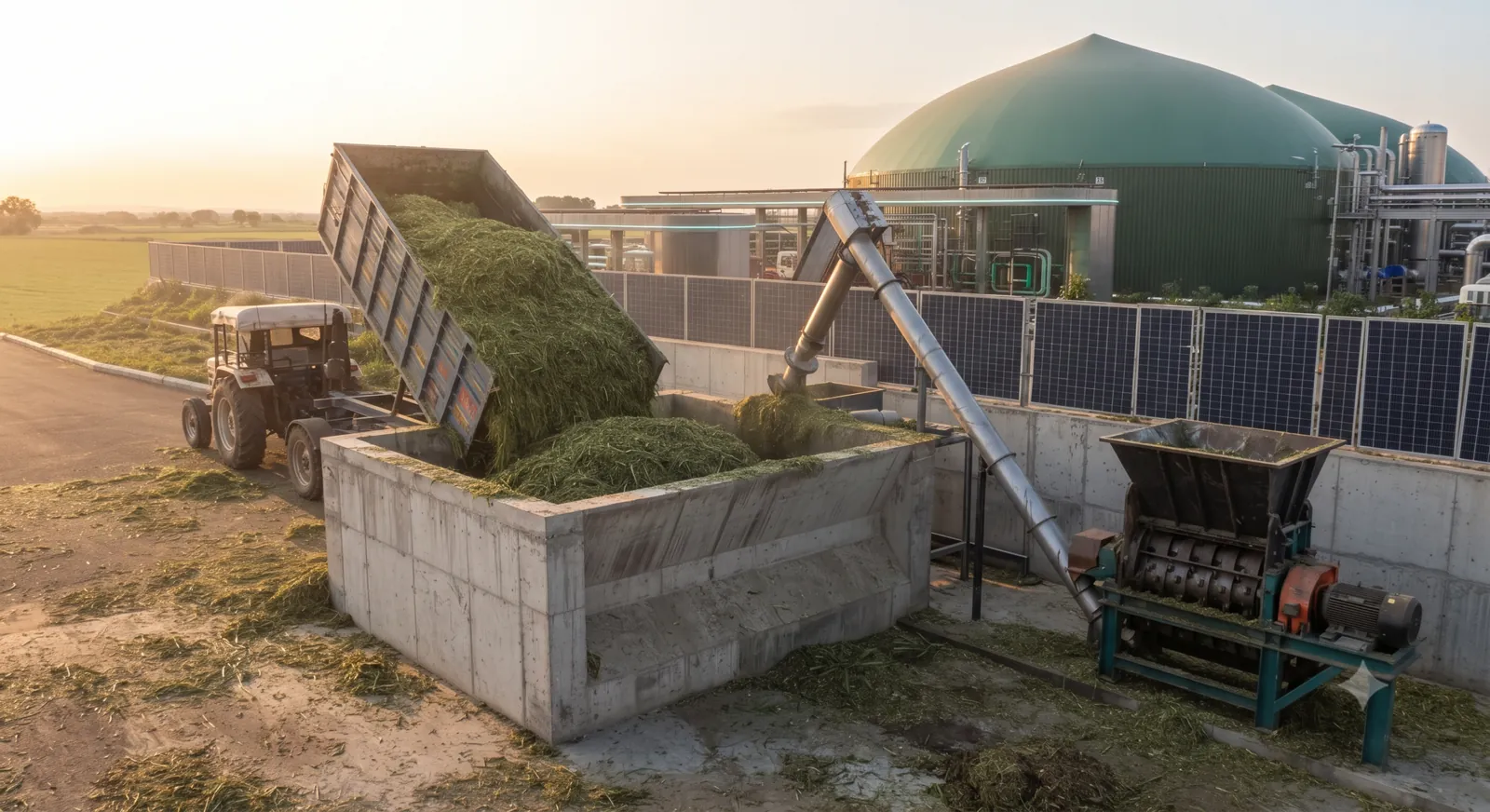
A typical project includes a feedstock reception and pre-treatment unit, sealed anaerobic digesters, a gas upgrading system that purifies biogas to over 90% methane, compression and storage cascades, and a manure processing line. You can see this layout in the proposed Suvarna Shakthi Bioenergy plant, which will be designed around exactly this circular model: residue in, clean fuel and organic manure out.
Frequently Asked Questions
Does collecting residue hurt the soil by removing biomass?
Sustainable projects use surplus residue and return digested organic matter to fields as FOM, so soil receives stabilised carbon and nutrients rather than losing everything to fire.
Can CBG plants really pay farmers enough to stop burning?
The economics improve every year: plants need reliable feedstock and government support (like manure market assistance and mandated gas demand) strengthens what plants can pay. Payment plus free time saved plus better soil is a meaningfully better deal than burning.
Why not just compost the residue instead?
Composting returns nutrients but captures no energy and generates no rural fuel economy. Anaerobic digestion does both – the methane becomes vehicle fuel, and the digestate still becomes manure.
Is this proven technology?
Yes. Anaerobic digestion and gas upgrading are mature technologies operating at scale in India and worldwide; the Indian innovation is the policy ecosystem (SATAT, GOBARdhan, blending mandates) that makes plants commercially viable.
A Fire We Can Finally Put Out
Stubble burning persists because residue has been worth nothing. CBG plants make it worth something – to the farmer, the region and the country. That is how you end a fire: not with penalties, but with a better market.
Suvarna Shakthi Bioenergy is developing an upcoming CBG project in India, backed by a Letter of Intent from Think Gas. Explore the proposed plant, read the investment case, or get in touch.